
Gladie Visitor Center
Site History
History of Gladie and the Red River Gorge
Gladie Visitor Center is located in an area shaped by thousands of years of natural and human history. The surrounding Red River Gorge is known for its sandstone cliffs, natural arches, rock shelters, waterways, forests, and archaeological resources.
The Gladie area also preserves connections to Indigenous history, early Kentucky communities, logging and farming, national forest conservation, and the development of public recreation in the Red River Gorge.
The Red River Gorge Landscape
The Red River Gorge is defined by steep sandstone cliffs, narrow valleys, natural arches, rock shelters, forests, and waterways.
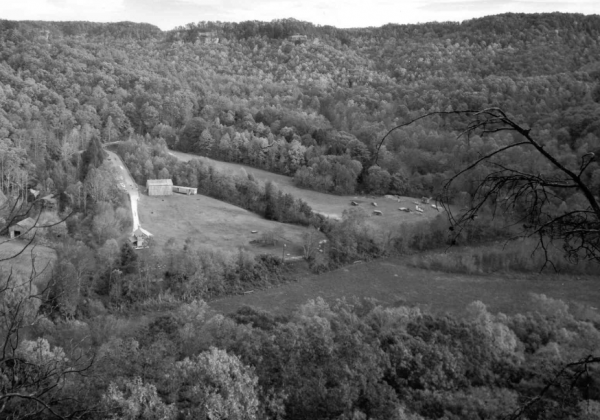
Over long periods of time, weathering and erosion helped form the cliffs, gorges, shelters, natural bridges, and arches found throughout the region. The Red River and smaller waterways such as Gladie Creek continue to shape the landscape today.
These natural features have also influenced how people have traveled through, lived in, and used the Gorge for thousands of years.
Thousands of Years of Human History
Archaeological evidence shows that Native peoples used the Red River Gorge for thousands of years.
Rock shelters and other sites throughout the region have preserved stone tools, pottery, plant remains, animal remains, hearths, and other evidence of earlier life in the Gorge. These resources help archaeologists better understand how people lived, gathered food, traveled, and used the surrounding landscape.
The dry conditions found in some sandstone rock shelters helped preserve materials that would normally disappear over time, making the Red River Gorge an especially important archaeological area.
In 2003, the Red River Gorge District was added to the National Register of Historic Places in recognition of its extensive archaeological and historic resources.
Visitors should never remove or disturb artifacts, rock shelters, historic structures, or other cultural resources.
The Gladie Community
During the late nineteenth and early twentieth centuries, families lived and worked near Gladie Creek.
The Gladie community included homes, farms, a school, a store, and a cemetery. Like many small communities in eastern Kentucky, local residents depended on the surrounding land and natural resources for everyday life and work.
Although much of the former community is no longer visible, the historic Gladie Cabin remains an important connection to this period.
The Historic Gladie Cabin
The Gladie Cabin dates to the late 1800s and is one of the site’s most important historic features.
During its history, the log structure served several purposes, including use as a home, post office, and lodging place. It was later preserved at the Gladie site to help interpret the history of the community and the people who once lived in the Gorge.
The Gladie Cabin was listed on the National Register of Historic Places in 1989.
Today, the cabin provides visitors with a closer look at life in the Gladie community during the late nineteenth and early twentieth centuries. Access to the cabin or interior programs may vary, so visitors should ask staff about current opportunities during their visit.
Conservation and Public Lands
Farming, logging, settlement, transportation, and other activities changed parts of the Red River Gorge during the nineteenth and early twentieth centuries.
As land in the region became part of the national forest system, greater attention was placed on protecting forests, waterways, geological formations, archaeological sites, and opportunities for public recreation.
The Red River Gorge received additional recognition and protection during the twentieth century. The area was designated a National Natural Landmark in 1976, neighboring lands became part of the Clifty Wilderness, and a 19.4-mile section of the Red River was designated a National Wild and Scenic River in 1993.
These protections help preserve both the natural landscape and the cultural resources found throughout the Gorge.
Development of Gladie Visitor Center
Gladie gradually developed into an important location for visitor information, education, and historic interpretation within the Red River Gorge.
The Gladie Historic Site and cabin helped introduce visitors to the area’s local history. In 2004, the current visitor center opened as the Gladie Cultural-Environmental Learning Center.
The facility expanded opportunities for visitors to learn about the geology, archaeology, wildlife, natural resources, cultural history, and recreation opportunities of the Red River Gorge.
In 2022, FIND Outdoors began operating Gladie Visitor Center in partnership with the U.S. Forest Service.
Gladie Today
Today, Gladie Visitor Center serves as a starting point for exploring the Red River Gorge and Daniel Boone National Forest.
Visitors can find maps and recreation information, explore interpretive exhibits, learn about the area’s natural and cultural history, walk short nature trails, visit the historic Gladie Cabin area, and participate in educational programs and special events.
FIND Outdoors operates Gladie Visitor Center in partnership with the U.S. Forest Service, helping provide visitor services, education, recreation information, and stewardship of the site.
Visitors can help protect Gladie and the Red River Gorge by staying on designated routes, respecting historic and archaeological resources, leaving artifacts and natural features undisturbed, following posted regulations, and practicing Leave No Trace principles.
→ Explore the Red River Gorge Geological Area
→ Learn More About FIND Outdoors